2026 How to Choose a High-torque Low-speed Motor for Your Needs?

Time:2026-09-03 Author:Oliver
0%

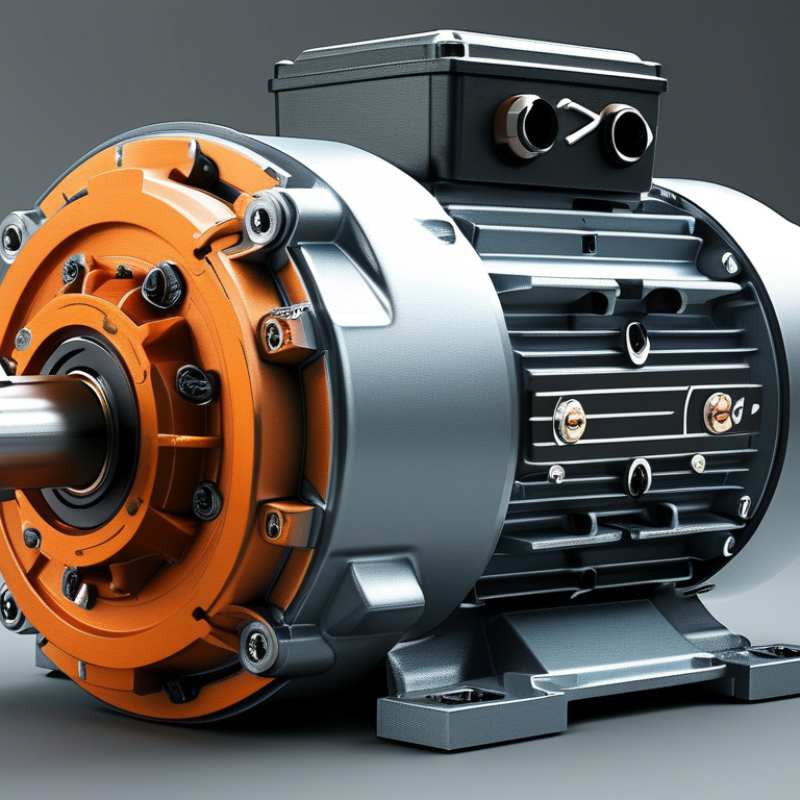
Choosing the right High-torque Low-speed Motor requires careful consideration. According to a recent industry report by the Global Electric Motor Market, the demand for these motors has increased by 25% in the last three years. This growth highlights their importance in various applications, from industrial machinery to renewable energy systems.

Dr. Emily Chen, a leading expert in electric motor design, emphasized, "Selecting the correct motor can significantly enhance efficiency and reduce operational costs." Her insights reflect the critical nature of choosing a motor that matches specific operational needs. However, not all options are suitable for every application. Misalignment between a motor's capabilities and usage can lead to inefficiencies and increased wear.

Manufacturers offer various specifications, but understanding terminology is essential. Torque requirements, speed ratings, and environmental conditions all play vital roles in motor selection. Users must often navigate conflicting data and recommendations. This complicates the process and can result in suboptimal choices if not approached with diligence.
2026 How to Choose a High-torque Low-speed Motor for Your Needs?

Understanding High-torque Low-speed Motors: Key Characteristics

High-torque low-speed motors are essential in various industrial applications. Understanding their key characteristics can significantly improve your selection process. These motors deliver excellent torque at low speeds, making them ideal for tasks requiring precise control. A high-torque motor can handle heavy loads without compromising performance. This capability is crucial in applications like conveyor systems and heavy machinery.

When selecting a high-torque low-speed motor, consider factors like power rating and size. Look for models with suitable size-to-power ratios. The right motor will ensure efficiency in your setup. However, the choice can be overwhelming due to numerous options. Some motors may offer high torque but can be bulky or heavy. This might limit their application in constrained spaces.

Efficiency is another critical aspect. Not all motors perform well under load, so check efficiency ratings. Often, lower efficiency leads to increased energy costs. Consider the working environment as well. Some motors may not withstand harsh conditions. Evaluating these characteristics meticulously can lead to more informed decisions. Experience in the field often reveals gaps in initial assessments. Learning from these observations can enhance motor selection in the future.

Applications of High-torque Low-speed Motors in Various Industries

High-torque low-speed motors are essential in many industries due to their unique capabilities. They excel in applications requiring high starting torque and precise speed control. For example, in the mining sector, these motors drive heavy equipment like conveyors and crushers. According to a recent report by the International Energy Agency, there is a growing demand for efficient motors, which could lead to a 20% reduction in operational costs over the next five years.

In the manufacturing industry, these motors are often utilized in robotics and automation. Their ability to handle heavy loads at low speeds makes them perfect for assembly lines. A study from a leading engineering firm indicates that companies using high-torque low-speed motors see a 15% increase in productivity. However, choosing the right motor can be challenging. Factors like load types, environmental conditions, and control methods must be considered.

In the renewable energy sector, wind turbines use high-torque motors for direct drive systems. These systems improve efficiency and reduce maintenance needs. Data from the Global Wind Energy Council suggests these motors are crucial for optimizing energy output. While the benefits are clear, potential oversizing can lead to inefficiencies. It’s vital to analyze application requirements thoroughly before making a selection. This approach ensures that the chosen motor meets both performance and cost-effectiveness criteria.

Factors to Consider When Selecting a High-torque Low-speed Motor

Choosing the right high-torque low-speed motor requires careful consideration of several factors. Power requirements are essential. Determine the necessary torque and speed for your application. This ensures the motor matches performance expectations. Efficiency is another critical element. High-efficiency motors can reduce energy costs and operating temperatures. Look for motors that provide optimal performance without excessive power consumption.

Another significant factor is the motor's size and weight. Depending on your application, physical constraints may limit options. Ensure the chosen motor can fit within the available space while delivering the required torque. Additionally, consider the durability and maintenance needs. Some motors require more upkeep and may not be suitable for harsh environments. It's essential to balance performance with reliability to avoid future challenges.

Lastly, evaluate the cost of ownership. While a higher initial investment might seem daunting, it could lead to savings over time through enhanced efficiency. Keep in mind that cheaper options may not offer the same level of performance. Spend time researching and comparing different models based on these criteria. No motor is perfect, and sometimes compromises are necessary. Adjusting expectations can lead to better decision-making.

Comparing Types of High-torque Low-speed Motors Available on the Market

When selecting a high-torque low-speed motor, it's essential to understand the different types available. Permanent magnet motors are popular choices. They deliver high torque with efficient power consumption. These motors are compact, making them suitable for tight spaces. You may find them ideal for applications requiring steady torque, such as robotics and conveyor systems.

Another type is the brushless DC motor. This motor type offers reliable performance and reduced maintenance. It's designed to run cooler and lasts longer. Brushless motors excel in applications demanding precise speed control. However, they can be more complex to control. Knowing the specific requirements of your project can help in making the right choice.

Consider these tips when choosing a motor. Evaluate the load requirements carefully. Ensure the motor can handle peak loads without overheating. Check for compatibility with your existing systems. Lastly, consult with experts to avoid common pitfalls. Gathering reliable information will lead to better decisions. Make sure to reflect on your specific needs to choose wisely.

Comparison of High-torque Low-speed Motor Types

This chart compares the torque output (in Nm) of various types of high-torque low-speed motors available on the market. You can see that brushless DC motors offer the highest torque capability, while induction motors are also strong contenders.

Maintenance and Performance Optimization for Low-speed Motors

When selecting a high-torque low-speed motor, understanding maintenance is crucial. Regular checks can prevent significant issues down the line. Inspect the motor's bearings regularly. This can extend the motor's lifespan and reduce unexpected failures. Clean the motor area to avoid dust accumulation. Dust can lead to overheating and reduced efficiency.

Performance optimization hinges on effective lubrication. Use the right type of lubricant for your motor's specifications. Improper lubrication can cause friction and wear, affecting overall function. Monitor the motor's operating temperature frequently. Elevated temperatures might indicate underlying problems. Adjustments might be required if the motor overheats.

Also, consider vibration analysis as an ongoing practice. Excessive vibrations can signal mechanical issues. Addressing these promptly can help maintain optimal performance. Keeping a detailed log of maintenance activities gives you insights. Over time, patterns may emerge, indicating when issues typically arise. This proactive approach can minimize costs and improve reliability.

FAQS

: What are high-torque low-speed motors used for?

: They drive heavy equipment in industries like mining and manufacturing. They excel in precise speed control.

How do high-torque low-speed motors impact efficiency?

They can reduce operational costs by 20% in five years. This is vital for maximizing productivity in various sectors.

What applications benefit from these motors in manufacturing?

They are crucial in robotics and assembly lines, handling heavy loads efficiently at low speeds.

What should I consider when choosing a high-torque low-speed motor?

Analyze load types, environmental factors, and required control methods to make an informed choice.

What types of high-torque low-speed motors exist?

Permanent magnet motors and brushless DC motors are two common types. Each has unique strengths and uses.

Why are permanent magnet motors popular?

They offer high torque and efficient power consumption in a compact design, suitable for tight spaces.

What are the benefits of brushless DC motors?

They require less maintenance, run cooler, and offer precise speed control, but can be more complex to manage.

What pitfalls should I avoid when selecting a motor?

Failing to evaluate load requirements can lead to inefficiencies. Compatibility with existing systems is also crucial.

How can I ensure the motor meets my needs?

Consult with experts and gather reliable information. Reflect on your specific application requirements.

Can oversizing a motor be an issue?

Yes, it can lead to inefficiencies. Analyzing application requirements is essential to avoid this mistake.

Conclusion

When selecting a High-torque Low-speed Motor, understanding its key characteristics is crucial. These motors are designed to deliver high levels of torque at lower speeds, making them ideal for various applications including industrial machinery, robotics, and automotive systems. Their performance is influenced by factors such as load requirements, efficiency, and operational environment, which must be carefully considered during the selection process.

Different types of High-torque Low-speed Motors are available on the market, each with unique features suitable for specific applications. Maintenance plays a critical role in ensuring optimal performance and longevity of these motors, emphasizing the need for regular checks and adjustments. By taking into account these factors, users can make informed decisions that enhance functionality and reliability in their respective applications.


Oliver

Oliver

Oliver is a seasoned marketing professional with a wealth of expertise in driving brand awareness and engagement. With a deep understanding of our company's product offerings, he consistently delivers high-quality content that enriches our professional blog. His insights not only shed light on......