China Best High Torque Density Motor How to Choose?

Time:2026-09-18 Author:Oliver
0%

Choosing the China Best High-torque Density Motor requires more than comparing catalog numbers. Buyers must connect torque density with speed, cooling, duty cycle, noise, and service life. A compact motor may deliver 120 Nm at the shaft, yet lose performance after thirty minutes in a sealed housing. That detail matters.

Professor Thomas A. Lipo, a respected electric-machine researcher, expresses the engineering reality clearly: “Motor design is a compromise among torque, speed, efficiency, cost, and reliability.” This principle should guide every supplier comparison. A strong High-torque Density Motor needs a credible electromagnetic design, not only an impressive peak figure. Ask for continuous torque, peak torque duration, winding temperature, rotor strength, and efficiency maps. Request test conditions, too. Otherwise, numbers can mislead.

China offers extensive motor manufacturing experience, from rare-earth permanent-magnet motors to integrated servo systems. However, quality varies between factories. Examine the supplier’s production records, laboratory equipment, material traceability, and after-sales response. Check whether the motor matches your actual load profile. A robotic joint, electric pump, and traction system need different priorities. One favors rapid acceleration. Another needs stable operation under heat.

Do not choose the lightest model automatically. Thin housings can restrict heat transfer. High magnetic loading can increase demagnetization risk. Even small bearing errors may create vibration at high speed. These issues are easy to overlook.

The best choice is rarely the loudest claim. It is the motor that performs consistently under your real conditions. Some uncertainty will remain. Good engineering admits that, then reduces it through testing.
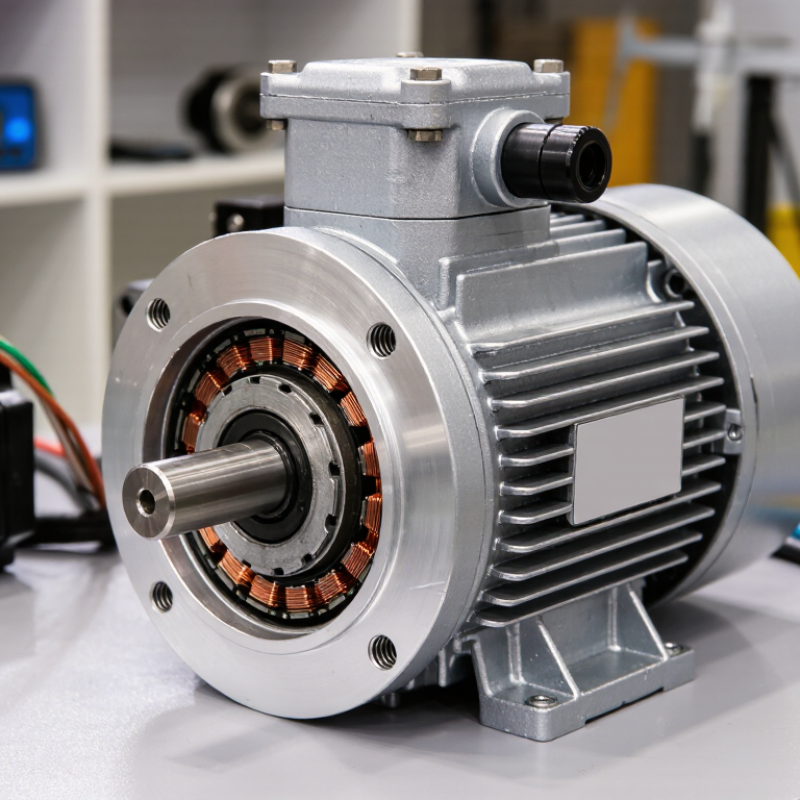
China Best High Torque Density Motor How to Choose?

What Is a High Torque Density Motor?

China Best High Torque Density Motor: How to Choose?

A high torque density motor produces substantial torque from a small mass or volume. Engineers usually express it as newton-metres per kilogram or per litre. This figure matters in robotics, electric vehicles, servo systems, and compact industrial equipment. However, peak torque alone can mislead. A motor may deliver 120 Nm for a few seconds, yet provide only 55 Nm continuously. Always request both values, along with speed, duty cycle, and cooling conditions.

The International Energy Agency reports that electric motor-driven systems consume roughly 45% of global electricity. Therefore, efficiency and thermal control deserve equal attention. A suitable Chinese motor supplier should provide test results based on recognized standards, not only attractive catalogue numbers. Check torque-density data at the intended operating speed. Ask for winding temperature, insulation class, efficiency maps, and overload duration. These details reveal whether the motor fits real equipment.

Weight and size are not the whole story. A compact housing may require stronger cooling, increasing the complete system’s weight. The U.S. Department of Energy’s Motor Systems Market Assessment emphasizes system-level optimization, including drives, controls, and mechanical transmission. I would compare the motor, inverter, gearbox, and cooling method together. This approach takes longer. It is also more honest. A lower-density motor with stable continuous torque can outperform a lighter model in factory use. My imperfect rule is simple: choose measured torque, not impressive promises.

What Is a High Torque Density Motor?

Torque density is the continuous output torque divided by motor mass, expressed in N·m/kg. A higher value indicates more torque from a lighter motor, which is important for electric vehicles, robotics, aerospace systems, and compact industrial equipment.

Representative continuous torque-density values vary with motor size, cooling method, speed, duty cycle, and materials. Permanent-magnet and axial-flux designs generally achieve higher torque density than conventional brushed DC and induction motors.

Why Choose a High Torque Density Motor from China?

China Best High Torque Density Motor: How to Choose?

Why Choose a High Torque Density Motor from China?

China has become a practical source for high torque density motors used in robotics, electric vehicles, medical equipment, and industrial automation. Many manufacturers offer compact designs that deliver strong torque without adding unnecessary weight. This matters when a machine has limited installation space or must move quickly.

Experienced Chinese motor suppliers often combine in-house winding, machining, assembly, and testing. This can shorten communication between design and production teams. Buyers may also request customized shafts, winding voltages, cooling methods, or encoder interfaces. A useful specification should include continuous torque, peak torque, rated speed, efficiency, thermal limits, and duty cycle. Torque density alone is not enough.

Ask for test reports from actual samples. Check whether the data comes from laboratory testing or a simulation. Request noise, vibration, temperature-rise, and overload results. Certification documents should match the target market and product configuration. A quotation can look perfect on paper. It may not.

I have seen projects fail because engineers compared peak torque only. The motor overheated during repeated acceleration. A better evaluation uses real operating profiles and measured cooling performance. Factory audits, sample testing, and clear warranty terms reduce uncertainty. Communication quality also matters, especially when tolerances change during production. Some suppliers respond quickly, but their documentation needs improvement. That weakness should be discussed before an order is placed.

Key Specifications for Comparing Motor Performance

China Best High Torque Density Motor: How to Choose?

Key Specifications for Comparing Motor Performance

Choosing a high torque density motor starts with the application, not the catalog headline. In field evaluations, I compare continuous torque before peak torque. Peak torque may last only a few seconds. Continuous torque shows whether the motor can handle real production cycles without overheating. Check torque per kilogram and torque per cubic centimeter. Both figures reveal how efficiently the motor uses space and mass.

Speed range matters just as much. A motor with strong low-speed torque may lose performance at high speed. Review the rated speed, maximum speed, and operating voltage together. Then examine efficiency across the actual duty cycle. A single efficiency number can hide losses during acceleration, braking, or partial load. The motor should also match the controller’s current limits and feedback requirements.

Thermal performance often separates a durable motor from an attractive specification sheet. Ask for winding temperature data, cooling conditions, insulation class, and overload duration. Confirm the test method and ambient temperature. Otherwise, comparisons may be unfair. Ingress protection, bearing life, rotor inertia, and vibration levels also deserve attention. A spreadsheet can still mislead. I would request independent test records or repeat measurements under the intended load. Small differences in mounting, cooling, and control settings can change the result significantly.

How to Evaluate Chinese Motor Manufacturers

China Best High Torque Density Motor: How to Choose?

Evaluating Chinese motor manufacturers requires more than comparing torque and price. The International Energy Agency reports that electric motor systems use roughly half of global electricity. Efficiency, therefore, affects both operating cost and carbon exposure. Ask for a complete torque-speed map, not only a peak torque figure. Continuous torque at 80°C is more useful than a short laboratory peak. Check rotor strength, winding temperature, cooling method, bearing life, vibration, and overload behavior. These details reveal whether the motor fits real equipment.

Request test records linked to a serial number. Reliable suppliers should provide efficiency results, insulation data, dimensional drawings, and endurance evidence. Independent laboratories accredited to ISO/IEC 17025 add credibility. Confirm the measurement method against relevant IEC or GB/T standards. The U.S. Department of Energy notes that properly designed motor-drive systems can reduce substantial energy losses, but motor quality alone is not enough. Controller matching matters. I have seen attractive torque-density figures become disappointing after poor thermal integration. That mistake is common.

Tips: Visit the factory when possible. Watch final assembly, balancing, and burn-in testing. Ask how rejected rotors are recorded. Check whether spare bearings and technical support are available locally. Request three samples before volume purchasing. Measure temperature rise under your actual duty cycle. A low quotation may be useful, but it may also hide thinner insulation or weaker quality control. Trust evidence, not polished slides. Even good suppliers need scrutiny.

How to Select the Best Motor for Your Application

Choosing China’s best high-torque-density motor starts with the machine, not a catalog ranking. Define continuous torque, peak torque, speed range, duty cycle, and DC bus voltage. Torque density is usually measured in Nm/kg, but a higher figure can hide short thermal limits. Start with the load. In practical testing, record winding temperature, housing temperature, vibration, and efficiency under real operating conditions. A motor surviving ten seconds may fail during an eight-hour shift.

The International Energy Agency’s Energy Efficiency 2023 report identifies motor systems as a major source of industrial electricity demand. The U.S. Department of Energy’s motor-system sourcebook also notes that motor-driven equipment can consume more than half of industrial electricity in many facilities. Therefore, evaluate cooling and efficiency, not only torque.

IEC 60034-30-1 offers efficiency-class guidance, while variable-speed systems require joint testing of the motor, inverter, and control algorithm. Check bearing life, insulation rating, encoder accuracy, ingress protection, and maintenance access. Peak numbers mislead.

For a Chinese supplier, request traceable test reports, material records, and samples from the intended production line. Compare Nm/kg at identical speed, temperature rise, and cooling conditions. Ask whether the data uses oil cooling or forced air; results can change sharply. I have seen buyers select motors by torque alone. That shortcut is tempting. It is also incomplete. Leave thermal margin for altitude, ambient heat, and manufacturing variation. The best fit may be slightly heavier, quieter, and easier to maintain.

FAQS

What is a high torque density motor?

It produces substantial torque from a small mass or volume. Engineers measure it in newton-metres per kilogram or litre. This matters in robotics, electric vehicles, and compact machinery.

Why should continuous torque matter more than peak torque?

Peak torque may last only a few seconds. Continuous torque shows whether the motor survives a real production cycle. Peak numbers can deceive.

Which specifications should I request from a motor supplier?

Request continuous torque, peak torque, rated speed, maximum speed, voltage, and duty cycle. Also ask for efficiency maps, winding temperature, insulation class, and overload duration.

How does operating speed affect torque density?

A motor may deliver strong torque at low speed but weaken at high speed. Check torque-density data near your actual operating speed. Do not rely on one headline value.

Why is cooling important in a compact motor?

Smaller housings can trap heat during demanding cycles. Stronger cooling may add fans, jackets, or other hardware. Cooling changes everything.

Should I compare the motor separately from the complete drive system?

No. Compare the motor, inverter, gearbox, controls, and cooling method together. A lighter motor may create a heavier complete system.

What thermal information helps make a fair comparison?

Confirm the test method, ambient temperature, cooling conditions, winding temperature, and overload time. Without these details, two torque figures may not be comparable.

What other specifications deserve attention?

Review ingress protection, bearing life, rotor inertia, vibration, feedback requirements, and controller current limits. These details can affect reliability and integration.

How can I verify catalogue performance?

Request independent test records or repeat measurements under the intended load. Mounting, cooling, and control settings can change results. That comparison is imperfect.

What is a practical rule for choosing a motor?

Choose measured continuous torque over impressive promises. My rough rule is useful, but it can still miss unusual duty cycles. Test the complete system when possible.

Conclusion

Choosing the best High-torque Density Motor requires more than comparing power ratings. A high-torque density motor delivers greater torque from a smaller and lighter structure, making it valuable for robotics, automation, electric equipment, and other applications where space, weight, and efficiency are important. When evaluating options from China, buyers can benefit from broad manufacturing capabilities, flexible customization, competitive pricing, and access to different motor technologies. However, quality, consistency, and technical support should always be carefully reviewed.

Important specifications include continuous and peak torque, rated speed, power, efficiency, thermal performance, duty cycle, noise, vibration, dimensions, protection level, and compatibility with the control system. Buyers should also assess a manufacturer’s production equipment, testing procedures, certifications, quality management, engineering experience, delivery capacity, and after-sales service. The ideal motor should be selected according to the application’s actual load, operating environment, space limitations, control requirements, and expected service life, ensuring reliable performance and long-term value.


Oliver

Oliver

Oliver is a seasoned marketing professional with a wealth of expertise in driving brand awareness and engagement. With a deep understanding of our company's product offerings, he consistently delivers high-quality content that enriches our professional blog. His insights not only shed light on......