In the rapidly evolving world of commercial fans, understanding emerging trends is crucial for buyers. According to industry expert Dr. Emily Chen, “Staying ahead means knowing what the market needs.” As we approach 2026, several trends are reshaping the commercial fan landscape.
Energy efficiency is one major focus. Businesses prioritize fans that reduce costs while maintaining performance. Smart technology integration is another key trend. Fans now feature sensors for real-time feedback, enhancing user experience and operational efficiency. However, not all companies adapt quickly. Some struggle with outdated systems, highlighting the need for continuous improvement.
Another area worth noting is design versatility. Modern commercial fans offer aesthetic appeal alongside functionality, catering to diverse environments. Yet, many buyers still overlook the importance of design, focusing solely on performance metrics. This oversight can lead to missed opportunities for enhancing business ambiance. Ultimately, being informed about these trends can transform how commercial fans contribute to a business’s success.
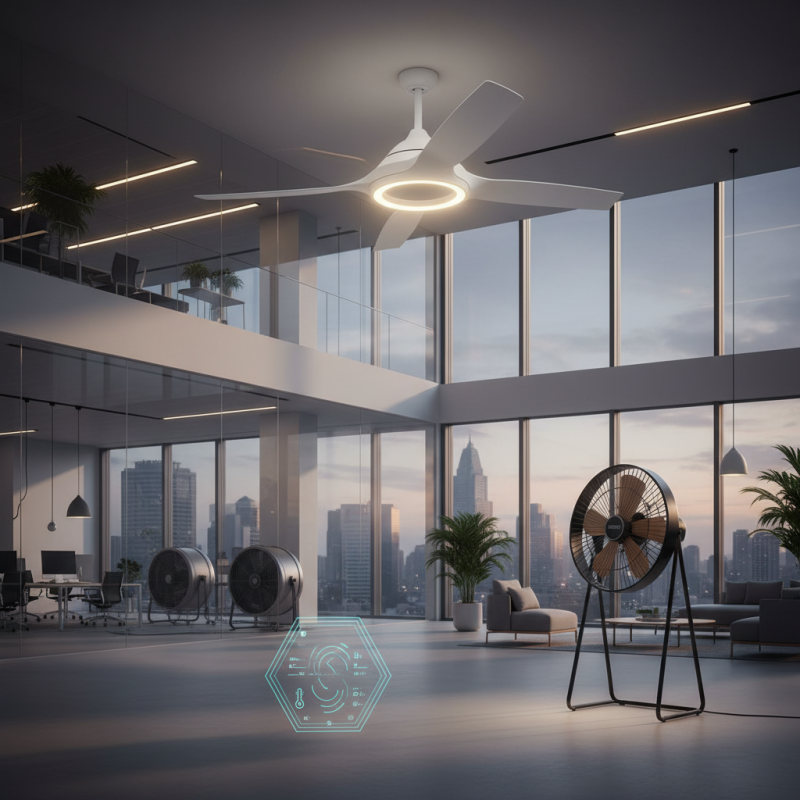
Emerging Trends in Energy Efficiency for Commercial Fans by 2026
As we approach 2026, the importance of energy efficiency in commercial fans is becoming increasingly evident. According to a recent report by the U.S. Department of Energy, commercial buildings account for about 19% of energy consumption in the U.S. Incorporating energy-efficient fans can significantly reduce this figure, offering both environmental benefits and cost savings. Fans equipped with smart technology can adjust speed based on real-time environmental data, leading to energy savings of up to 30%.
Tip: Look for fans with a high Energy Efficiency Ratio (EER). This rating will help you identify units that provide more airflow per watt of energy consumed.
Another trend is the adoption of sustainable materials in fan construction. Many manufacturers are prioritizing eco-friendly components to minimize their environmental footprint. For instance, recycled metals and biodegradable plastics are becoming more common. Industry surveys suggest that over 50% of consumers are willing to pay more for sustainable products. The push for durability also means that these fans often have longer lifespans, reducing waste.
Tip: Consider the lifecycle cost of the fan. Sometimes, a more expensive model can offer better efficiency and longevity, ultimately saving you money.
Advancements in Smart Technology Integration for Fan Systems
The integration of smart technology in commercial fan systems is transforming how businesses optimize climate control. According to a recent report by Markets and Markets, the smart fan market is expected to reach $3.2 billion by 2026, showcasing a compound annual growth rate of 16.2% from 2021. This surge reflects growing demand for energy-efficient solutions in various commercial spaces.
Smart fans now feature advanced sensors that monitor temperature and humidity levels. This technology allows fans to adjust their speed automatically, maintaining optimal comfort for occupants. Reports suggest that businesses can reduce energy costs by up to 30% through automation. However, some installations can be complex, requiring specialized knowledge and expertise. Despite the benefits, the installation process sometimes leaves room for improvement, particularly in smaller enterprises with limited resources.
While smart fan systems are gaining traction, challenges remain. Many users still rely on traditional settings due to a lack of understanding of the technology. Training staff on smart features is essential for maximizing efficiency. As companies navigate this shift, recognizing these obstacles will be crucial for leveraging the full potential of smart fan systems in commercial environments.
The Impact of Sustainable Materials on Commercial Fan Manufacturing
In recent years, sustainable materials have significantly influenced commercial fan manufacturing. Many companies are transitioning from traditional materials to eco-friendly options. This shift is not just a trend; it’s a response to environmental concerns. Manufacturers are focusing on reducing their carbon footprint while maintaining product quality.
Using recycled metal and biodegradable plastics can greatly reduce environmental impact. These materials often require less energy to produce. Additionally, they can improve the overall efficiency of commercial fans. Sustainable options can also appeal to eco-conscious consumers. However, choosing the right materials is not always straightforward. Companies may need to balance cost, durability, and sustainability.
**Tips:** Consider the lifecycle of materials when making a choice. Some sustainable options may not perform as well in the long term. Evaluate suppliers who specialize in eco-friendly materials. Their expertise can guide you toward better decisions. Always seek certifications that guarantee sustainability claims.
2026 Top Commercial Fan Trends Buyers Should Know
| Trend |
Description |
Impact of Sustainable Materials |
Market Demand |
| Energy Efficiency |
Increased focus on products that reduce energy consumption. |
Sustainable materials enhance energy-saving features. |
High demand due to rising energy costs. |
| Smart Technology |
Integration of IoT devices for better control. |
Using eco-friendly electronics and materials. |
Growing interest in smart buildings. |
| Noise Reduction |
Fans designed to operate quietly. |
Utilization of recycled and sound-absorbing materials. |
Demand in office and hospitality sectors. |
| Aesthetic Designs |
Customizable designs to match interiors. |
Incorporation of sustainable wood and finishes. |
Increased demand in retail and commercial spaces. |
| Durability |
Long-lasting products to reduce waste. |
Use of robust, eco-friendly materials. |
Preference for high-quality products among buyers. |
Market Forecast: Growth of the Commercial Fan Industry by 2026
The commercial fan industry is expected to witness significant growth by 2026. According to a report by Market Research Future, the market is projected to reach a valuation of $7.4 billion, growing at a compound annual growth rate (CAGR) of 6.8%. This growth is driven by the increasing demand for energy-efficient cooling solutions in commercial spaces.
Energy-saving technologies are becoming a priority. Businesses seek powerful fans that operate silently and consume less power. Industry experts emphasize the importance of eco-friendly materials. This trend aligns with the global push toward sustainability. While manufacturers innovate, some challenges persist. Durability and maintenance costs can still pose issues.
Another noteworthy trend is smart technology integration. Smart fans with IoT capabilities are gaining traction. They allow for remote control and monitoring. This feature enhances user convenience and energy management. However, not all businesses can invest in such technology. The shift toward smart systems also raises concerns about data security and reliability. As we look toward 2026, adapting to these trends will be essential for success in the commercial fan market.
2026 Top Commercial Fan Trends Buyers Should Know
Consumer Preferences Shaping the Future of Commercial Ventilation Solutions
The landscape of commercial ventilation solutions is evolving rapidly. Buyers are increasingly seeking
energy-efficient options. They want systems that minimize noise while maximizing airflow.
Features like smart controls are becoming essential. Users prefer functionality that aligns with their
schedules and needs.
Consumer preferences are shifting towards sustainability. Many buyers prioritize
eco-friendly materials and energy savings. They are more aware of their
environmental impact. This change is pushing manufacturers to innovate. Designs now focus on
aesthetics as well as efficiency. Compatibility with existing
infrastructure is also crucial.
However, not all innovations hit the mark. Some solutions may lack
user-friendly interfaces. This can complicate installation and operation.
Market research suggests a gap between consumer needs and product offerings. Continuous feedback is necessary
for improvement. Understanding these dynamics is key to developing future ventilation systems.
Conclusion
The article "2026 Top Commercial Fan Trends Buyers Should Know" explores the evolving landscape of the commercial fan industry, highlighting key trends that buyers should be aware of. By 2026, energy efficiency is expected to play a pivotal role in the design and operation of commercial fans, driven by advancements in technology and increasing regulatory standards. Furthermore, the integration of smart technology into fan systems promises enhanced functionality and ease of use, allowing for more efficient management of airflow in various environments.
Sustainability is also a significant focus, with manufacturers increasingly opting for eco-friendly materials in their production processes. Additionally, the market forecast indicates robust growth for the commercial fan industry, fueled by changing consumer preferences towards more effective ventilation solutions. Overall, these trends reflect a shift towards smarter, more sustainable, and consumer-oriented commercial fan systems that prioritize efficiency and environmental responsibility.

 Liangzhi Electrical