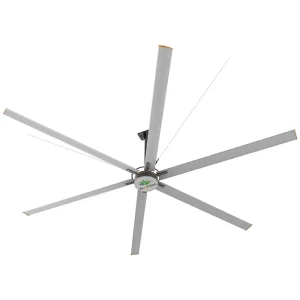
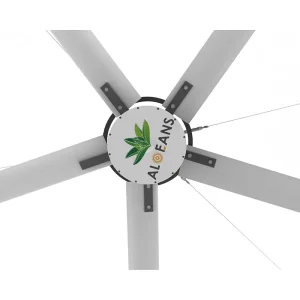
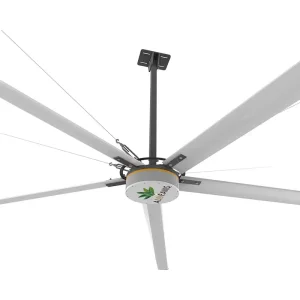
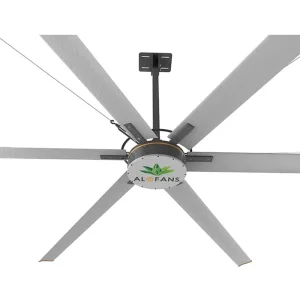
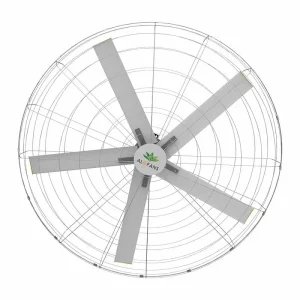
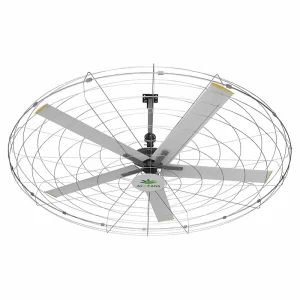
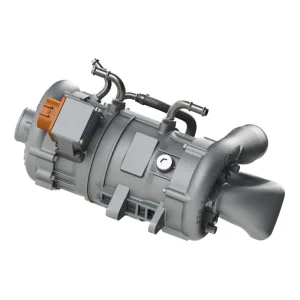
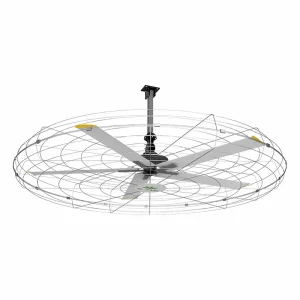
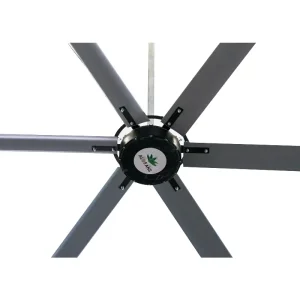
Industrial Oscillating Ceiling Fans have transcended their role as simple cooling appliances to become critical infrastructure in modern smart factories and green buildings. In an era where ESG (Environmental, Social, and Governance) targets drive corporate investment, the demand for high-efficiency ventilation systems has skyrocketed. According to recent global industrial climate reports, thermal discomfort can reduce labor productivity by up to 15%. This has pivoted the global procurement focus from "low-cost acquisition" to "total cost of ownership (TCO)" and "carbon footprint reduction."
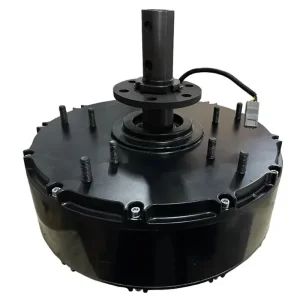
Leading manufacturers are now integrating PMSM (Permanent Magnet Synchronous Motor) technology to replace traditional gear-driven systems. This shift provides an information increment: it is not just about the breeze, but about the laminar flow profile, the decibel-to-output ratio, and the predictive maintenance capabilities through IoT integration. Our analysis reveals that oscillating fans combined with HVLS technology can reduce HVAC energy consumption by over 30% in large-scale logistics centers.
The global industrial fan market is projected to grow at a CAGR of 5.4% through 2030. Key drivers include the rapid industrialization of Southeast Asia and the retrofitting of aging warehouses in North America and Europe to meet new energy standards.
Modern distribution centers with high racking require "Vertical Oscillating Airflow" to eliminate stagnant air pockets. This demand has led to the development of multi-axis oscillating fans that ensure 360-degree coverage.
Procurement teams are now prioritizing CE, EMC, and UL certifications, not just for safety, but as a proxy for motor efficiency and electromagnetic compatibility in precision manufacturing environments.
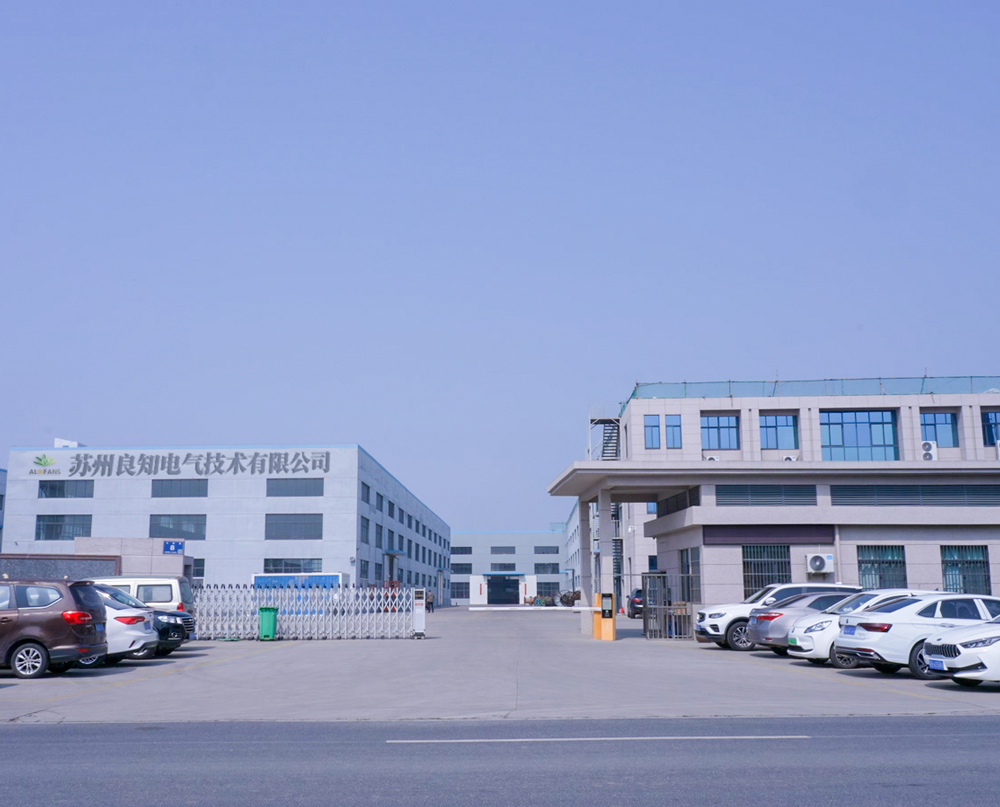
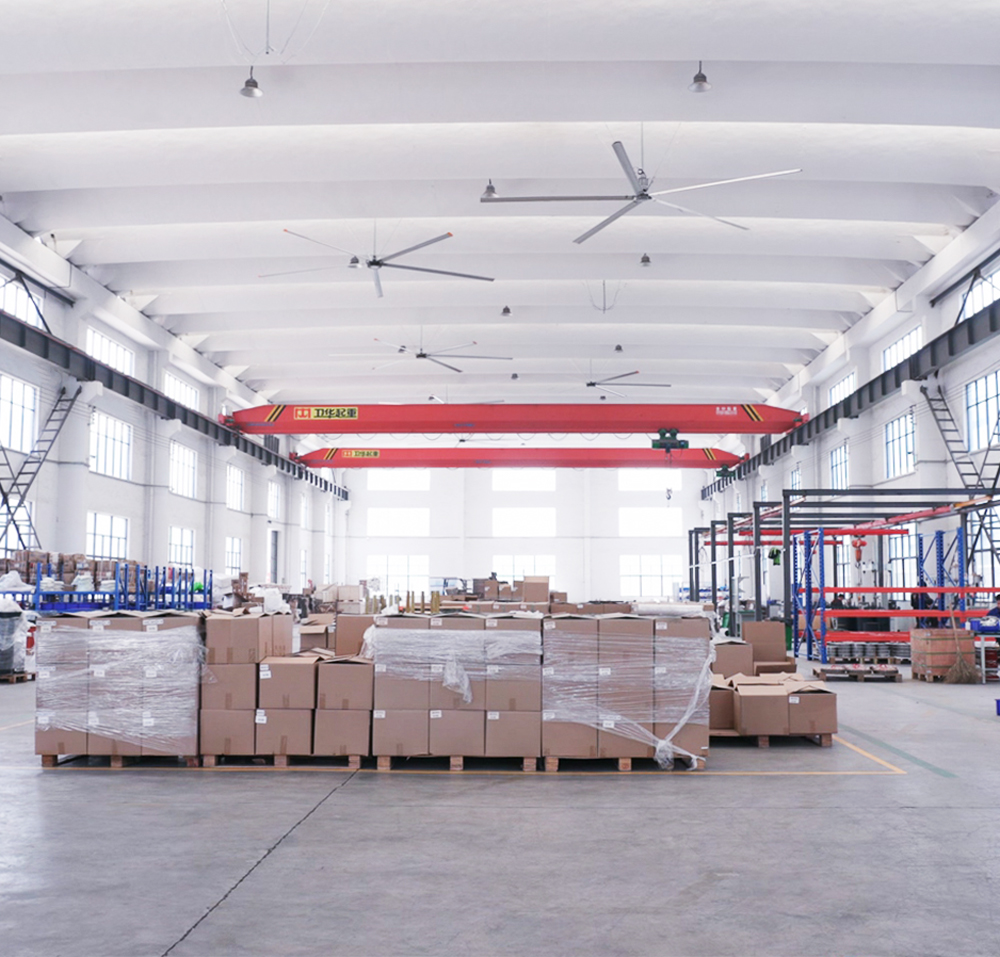
Suzhou Liangzhi Electrical Technology Co., Ltd. established in March 2018, specializes in PMSM motors and HVLS fans. With over 6 years of industry experience, our independently developed controllers and motors lead the industry in reliability and affordability.
As a high-tech enterprise, we excel in motor structure, fluid dynamics, and thermal management. Our motors are at the forefront of the industry, backed by ISO9001, CE, and EMC certifications.
Moving away from traditional gearboxes reduces noise by 15dB and increases torque density. Our future roadmap includes rare-earth-free magnets to enhance sustainability.
Integrating temperature and humidity sensors into the fan's controller allows for autonomous speed adjustment, ensuring optimal thermal comfort without manual intervention.
Future designs incorporate triple-redundancy safety cables and blade vibration sensors to prevent structural fatigue, vital for heavy-duty industrial environments.

Online video tours of production lines and product details.

Full air cooling solutions and technical support based on site construction.

OEM & ODM services for global partners and specialized requirements.

3-year warranty with free accessory replacement for non-human damage.
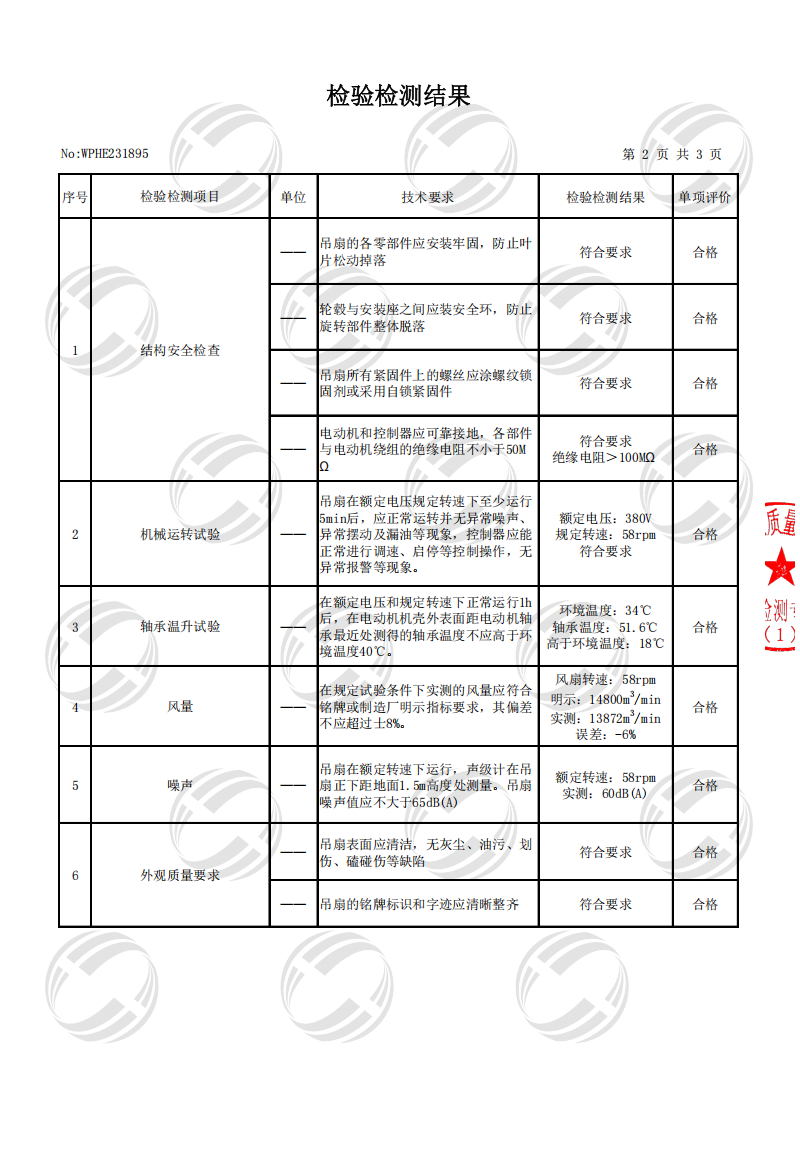
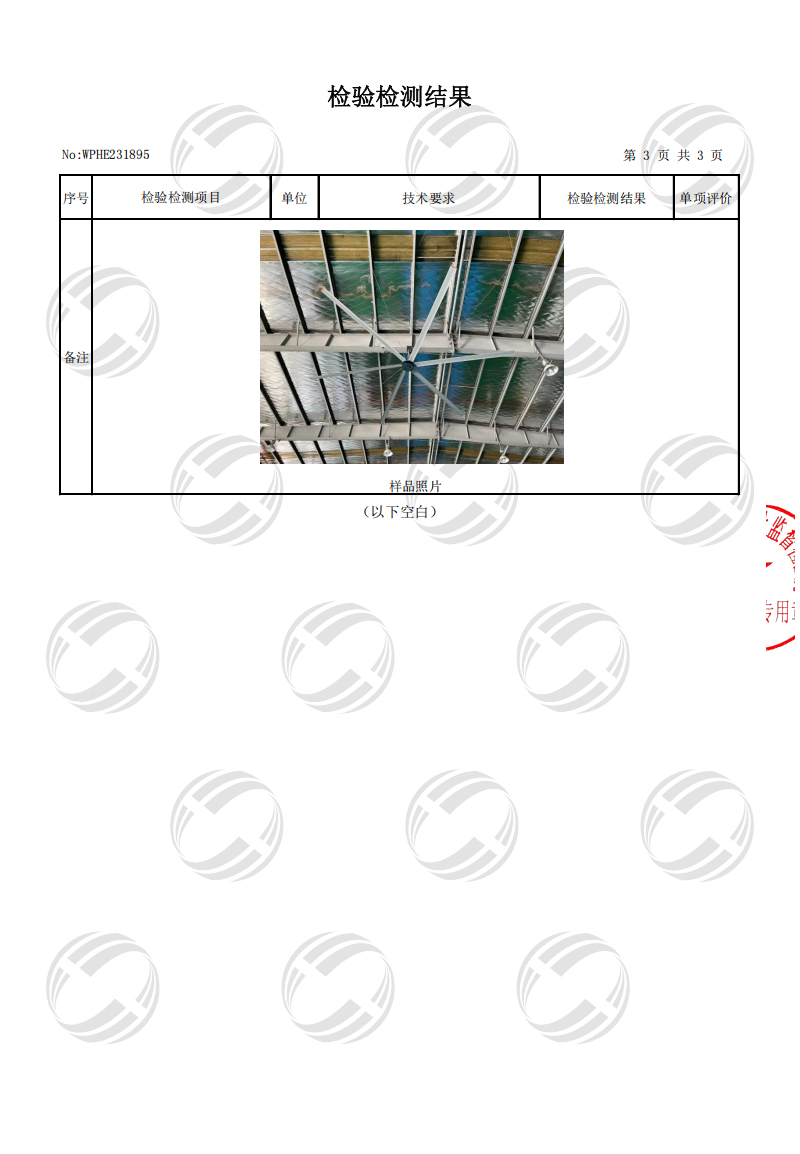
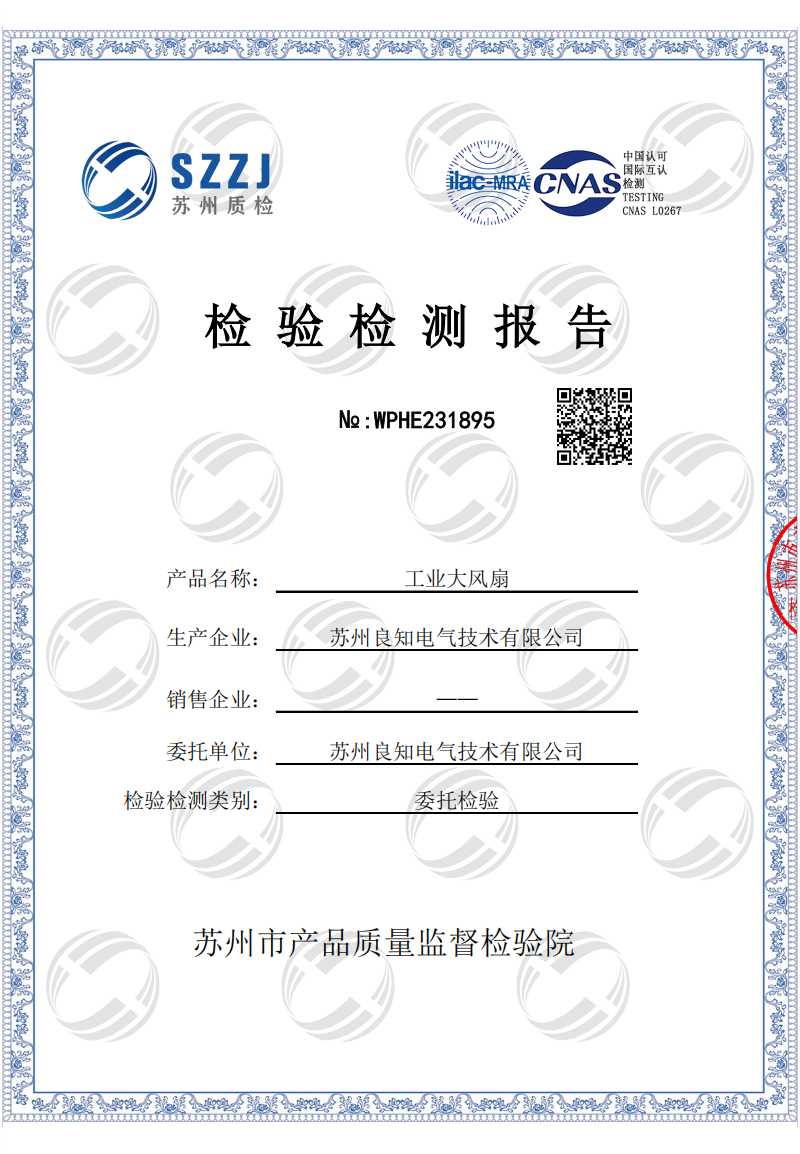
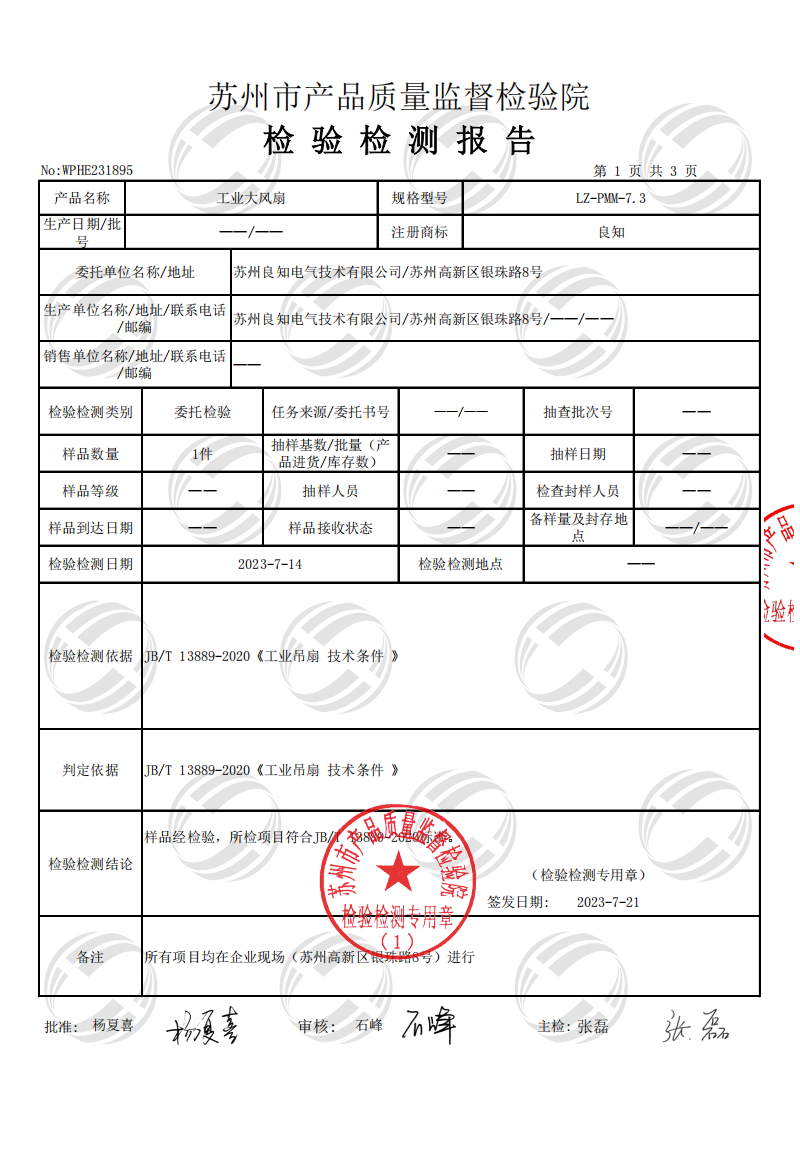
Navigating the complex regulatory landscape of the Industrial Oscillating Ceiling Fan market requires deep expertise. In the European Union, adherence to the ErP (Energy-related Products) Directive is mandatory for fans over 125W. In North America, UL 507 standards govern safety for electric fans. Our manufacturing process integrates these global benchmarks, ensuring that our products are "plug-and-play" ready for international markets.
Beyond compliance, localization support includes providing multi-language installation manuals and 24-hour remote video troubleshooting. We recognize that industrial downtime is costly; therefore, our supply chain is optimized for rapid delivery of critical components like PMSM controllers and fan blades across all continents.
A: PMSM motors offer higher efficiency (up to 95%), higher torque at low speeds, and are significantly quieter because they eliminate gear friction, leading to a longer lifespan and lower maintenance costs.
A: They prevent moisture buildup and ammonia concentration by ensuring constant air movement, which reduces animal heat stress and improves overall health and productivity.
A: For optimal airflow cone development, fans should typically be mounted between 5 to 10 meters high, depending on the ceiling structure and blade diameter.
 Liangzhi Electrical